

Americans Change Grocery Habits After Biggest Food Price Jump in 50 Years/ Newslooks/ WASHINGTON/ J. Mansour/ Food purchased for home consumption has become 33% more expensive since the beginning of 2019, forcing Americans to rethink how and where they shop. Families are using coupons, visiting multiple stores, choosing cheaper proteins and relying more heavily on SNAP benefits and food banks. The financial strain is especially acute in high-cost areas such as Boston, Houston, San Francisco and Honolulu.

Quick Look
- US grocery prices have increased 33% since early 2019.
- Ground beef reached $6.82 per pound in June, up 79% from 2019.
- Shoppers are building meals around sales and digital coupons.
- Some families are replacing beef with chicken and cold cuts.
- Others are eliminating snacks and buying less food overall.
- SNAP benefits and food banks have become essential for some households.
- Hawaii’s dependence on shipped food makes it vulnerable to fuel-price increases.
- The Iran conflict is adding transportation and food-cost pressure.
- Grocery affordability has become an issue in the fall midterm elections.
Deep Look
Grocery Prices Transform Shopping Routines
What appears on the dinner table at Apral Jack’s Massachusetts home increasingly depends on what is discounted that week.
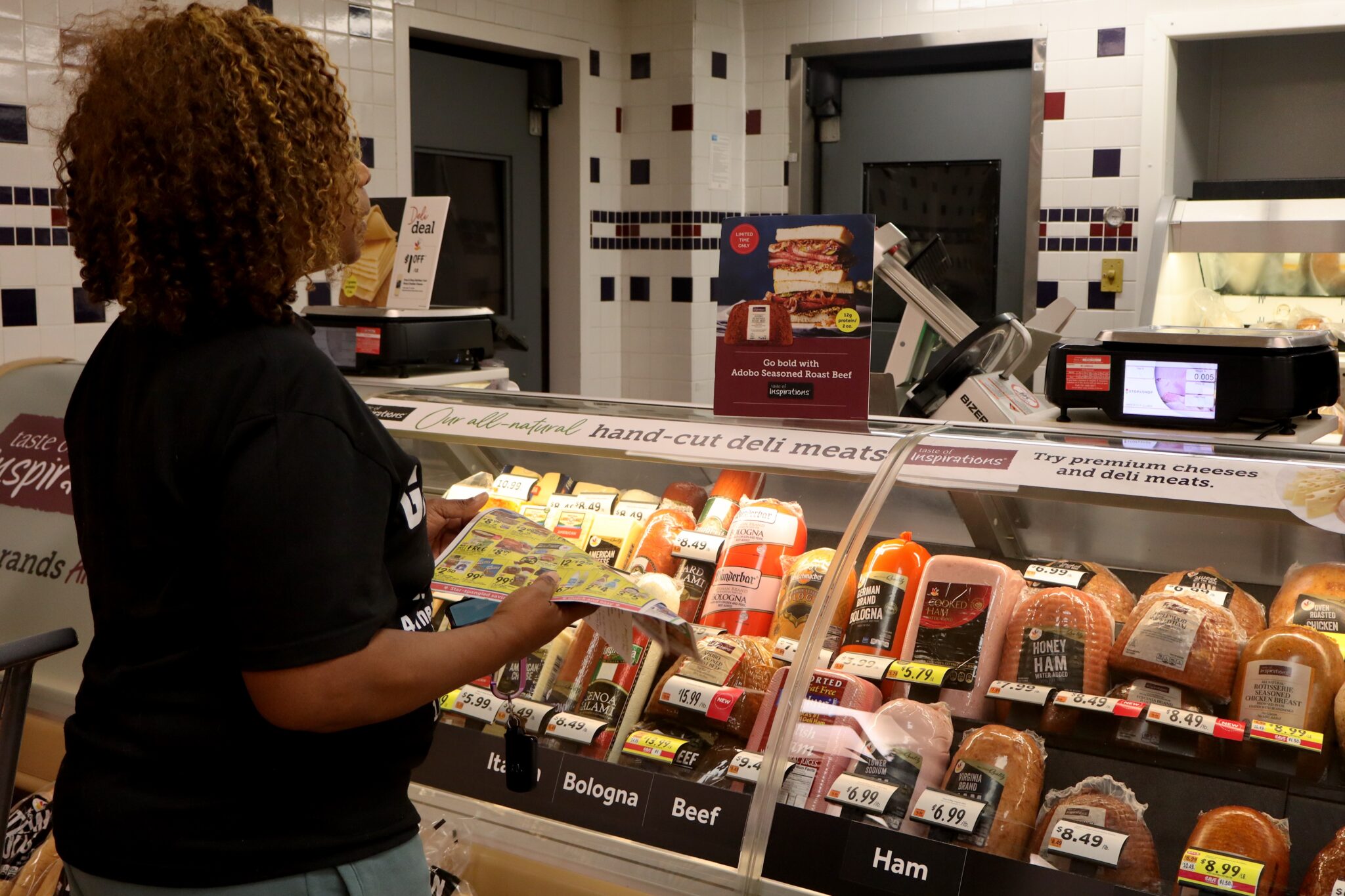
Before visiting the supermarket, Jack, 50, checks its mobile app for deals. At the store, she reviews the weekly advertisement for coupons and compares shelf prices with those available elsewhere.
“The apples went up here, the ones I eat, so now I’m not going to get them here,” Jack said while entering a Stop & Shop near her home in Lexington.
Coupon clipping, price comparisons and giving up preferred foods have become routine for millions of Americans confronting the largest increase in grocery prices in 50 years.
Government figures show that food purchased for consumption at home has become 33% more expensive since the beginning of 2019.
Affordability Becomes an Election Issue
The cumulative increases have made household affordability a major concern ahead of the fall midterm elections.
The continuing conflict in the Middle East is creating additional pressure through higher energy, transportation and production expenses.
Consumers in four metropolitan areas where food inflation has exceeded the national average described changing nearly every aspect of their shopping routines.
They are looking for discounts, purchasing store brands, visiting food pantries, buying less meat and eliminating products they no longer consider essential. Some households are reducing the total amount of food they buy.
Texas Family Can No Longer Afford Beef
Beef has become a powerful example of rising grocery costs.
A pound of ground beef cost an average of $6.82 in June, according to the Bureau of Labor Statistics. That represented a 79% increase from the beginning of 2019.
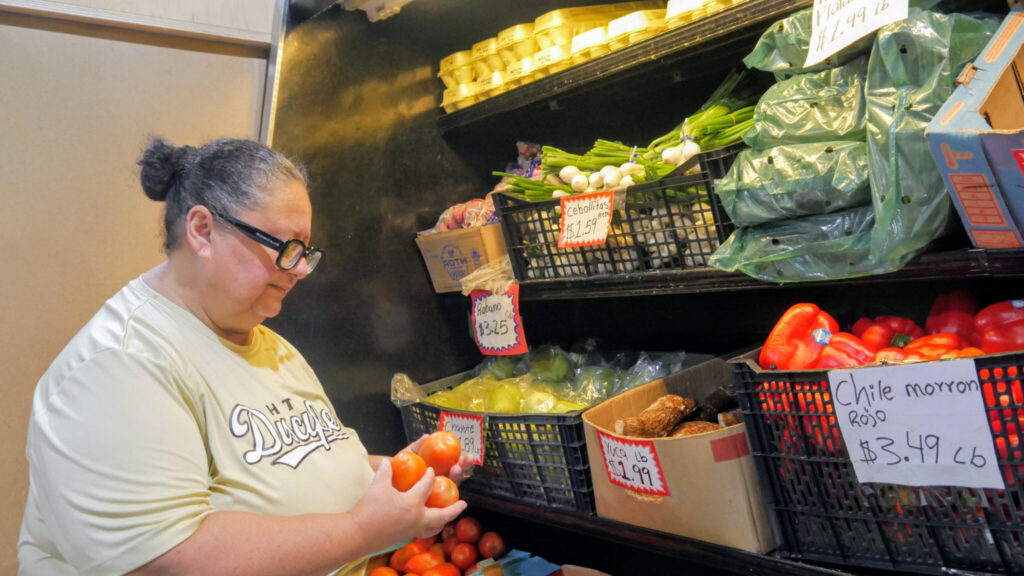
Ada Torres, 60, lives in Cleveland, Texas, about 45 miles northeast of Houston. She shops and prepares meals for a household that includes her daughter and three grandchildren.
“Prices are sky-high. One hundred dollars’ worth of groceries these days is nothing,” Torres said.
Although Texas is the country’s leading beef-producing state, Torres said fresh meat has become a luxury her household can no longer regularly afford.
Chicken and cold cuts now provide most of the family’s animal protein. Her grandchildren—ages 12, 15 and 16—miss meals such as ground-beef lasagna, beef fajitas and steak with plantain chips.
Family Sometimes Eats One Full Meal a Day
Torres’ daughter provides most of the household income through her work for a mobile car-washing service.
That work declines during periods of frequent rain, making the family’s earnings less predictable. Torres said the household can afford only one complete meal per day.
Their experience illustrates how higher food prices can become more severe when combined with seasonal employment and an unstable income.
Even products once considered routine can become unaffordable when families must prioritize rent, transportation, utilities and other fixed expenses.
Massachusetts Shopper Builds Meals Around Sales
Jack, a care provider who also works part time for Amazon, supports fewer people than she once did because her three daughters are now adults. Nevertheless, she has become considerably more careful with grocery spending.
She no longer regularly shops at Whole Foods. Instead, she creates her weekly menu around discounted products and digital coupons.
“Typically, I’ll try to pick the meals based on that. So like chicken fajitas: there was a three-day sale on chicken,” Jack said.
Her search for savings sometimes requires visiting several stores.
Jack has also stopped purchasing Nabisco Ginger Snaps and Nilla Wafers. She does not buy private-label alternatives because she believes they taste different, so the cookies have disappeared from her shopping list altogether.
San Francisco Family Relies on SNAP and Food Banks
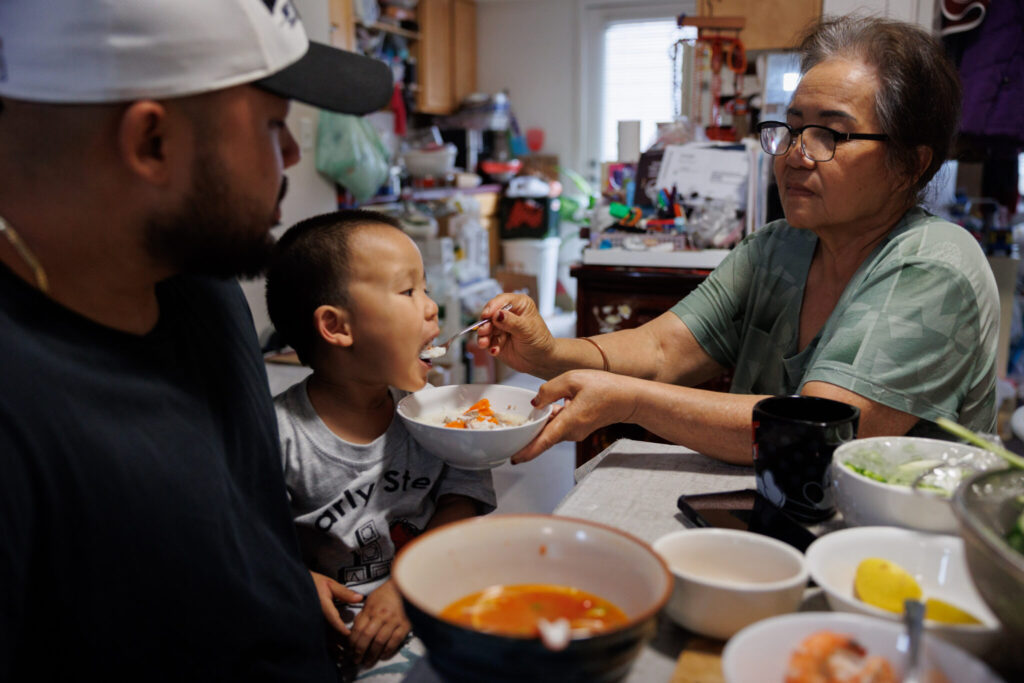
In San Francisco, self-employed barber Jack Chang, 33, supports three young children and a partner who is unemployed. His mother sometimes depends on him as well.
“Since I have five mouths I have to feed, basically — and then sometimes my mom, too — it’s a lot on me financially,” Chang said.
The family avoids expensive treats such as boba milk tea and artisanal ice cream. Instead, they visit a Japanese entertainment center that sells ice cream cones for $1.
Milk is the only organic food they buy.
“I look at my credit card every month and I’m like, ‘Wow, how am I going to pay this?’ So I’m a little behind on bills, honestly,” Chang said.
Preschool Leftovers Help Stretch the Food Budget
When the preschool attended by the family’s 4-year-old daughter has leftover bread or meat, Chang’s partner, Tina Chhous, offers to take it home.
Chhous also receives monthly assistance through the federal Supplemental Nutrition Assistance Program.
“Without that, I don’t know what I would do,” Chang said.
His 77-year-old mother, Lien, also receives SNAP benefits and visits two food banks every week. She shares the canned products, eggs and fresh produce she receives with the wider family.
The arrangement allows three generations to combine government assistance, charitable food and household income to meet their basic needs.
Hawaii’s Location Magnifies Food Costs
Grocery prices have historically been high in Hawaii because nearly all of the state’s food arrives aboard cargo vessels traveling thousands of miles.
That dependence makes Hawaii particularly vulnerable to oil-price increases and disruptions in transportation.
Shipping costs between the Hawaiian Islands rose sharply in 2026 as fuel prices climbed during the conflict with Iran. Those costs have made locally grown food more expensive as well.
Pastry Chef Replaces Local Berries With Imports
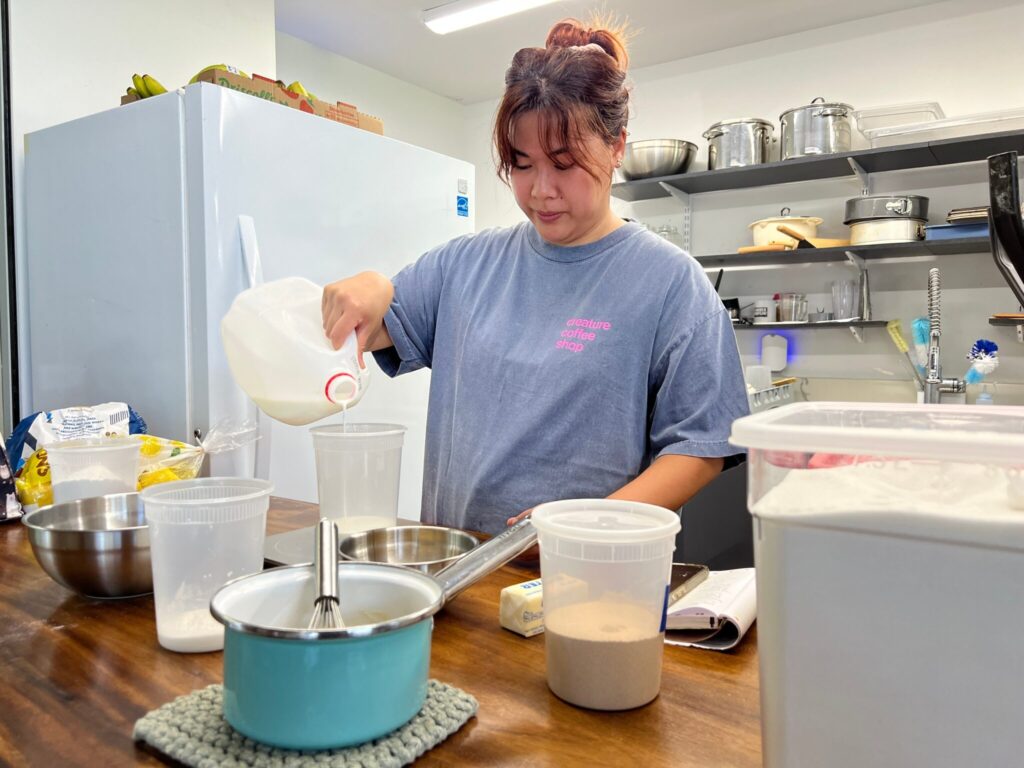
Amanda Tabadero, 28, works as a pastry chef on Oahu. She remembers buying strawberries and blueberries grown on Maui for $7.99 per pound in 2024.
The same fruit now costs about $11 per pound. When she needs berries for baking, she instead purchases products imported from California or Mexico at Costco for approximately $5.
Tabadero also does not expect to buy locally grown Kaimana lychee again soon. The variety is produced primarily on Hawaii’s Big Island and must be shipped to Oahu.
She recently purchased an iced coffee and a bag of fruit in Honolulu’s Chinatown for a combined $30.
“It makes me sad,” Tabadero said. “I want to use local stuff.”
Higher Prices Reshape What Americans Eat
The experiences of families in Massachusetts, Texas, California and Hawaii demonstrate how persistent grocery inflation is changing daily life.
Consumers are not simply switching stores. They are redesigning meals, reducing portions, abandoning preferred brands, buying fewer snacks and choosing food based primarily on price.
For households with limited or unpredictable incomes, the changes are more severe. Fresh meat becomes an occasional luxury, food assistance becomes indispensable and one full meal per day may be all a family can afford.
Although the pace of food inflation has moderated from its peak, prices remain far above their pre-pandemic levels. For many Americans, that cumulative increase—not the latest inflation rate—is the figure defining their grocery decisions.






You must Register or Login to post a comment.