

Trump Seeks $175.8M Covering Cybersecurity, Ports & Minerals to Counter China Worldwide/ Newslooks/ WASHINGTON/ J. Mansour/ The Trump administration is preparing to restore and expand programs intended to counter China’s economic, technological and diplomatic influence. Officials notified Congress of plans to spend $175.8 million replacing aging undersea cables in Central America and the Caribbean with US-backed systems. Internal State Department documents also describe more than $340 million in potential projects involving cybersecurity, ports, critical minerals and Chinese surveillance technology.
Quick Look
- The administration requested $175.8 million for undersea cable projects.
- The cables would serve Central America and the Caribbean.
- Potential beneficiaries include El Salvador, Guatemala, Honduras, Nicaragua and Haiti.
- Washington would not work directly with Nicaragua’s government.
- The State Department is considering nearly $500 million in broader programs.
- An internal document lists more than $340 million for over 50 projects.
- Proposed initiatives cover the Western Hemisphere, Africa and Asia.
- Some projects were halted during DOGE-led budget and personnel cuts.
- Plans include security operations centers in Argentina and Belize.
- Other proposals focus on ports, fishing, critical minerals and cybersecurity.
- China said its global cooperation is not intended to compete with another country.
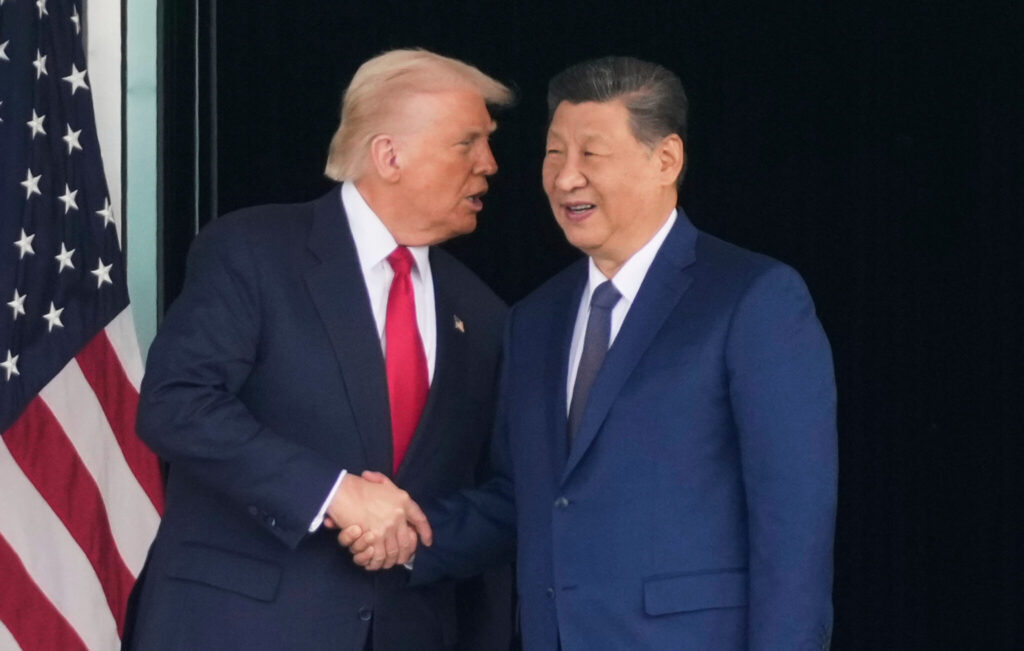
- Trump is expected to meet Xi Jinping in September.
Full Rewritten Story
US Prepares Expanded Global China Strategy
WASHINGTON — The Trump administration is preparing to increase spending by hundreds of millions of dollars on programs designed to counter China’s growing international influence.
The new effort would restore or replace initiatives suspended during the administration’s sweeping budget and personnel reductions in 2025.
The administration informed Congress that it intends to spend $175.8 million replacing aging undersea telecommunications cables in Central America and the Caribbean.
The Associated Press obtained a copy of the congressional notification.
The State Department is also considering nearly half a billion dollars in additional programs involving China’s economic, technological and diplomatic activities across the Western Hemisphere, Africa and Asia, according to an internal department document obtained by AP.
Undersea Cable Plan Targets Chinese Influence
The proposed cable initiative is called the “Countering CCP Control of Caribbean and Central America Undersea Cables project.”
It would finance the installation of strategically selected infrastructure and help foreign governments work with private companies that build and operate undersea cable systems.
The congressional notification said the money would “support replacement of outdated undersea telecommunications cables in the Caribbean and Central America region with secure, U.S. and trusted alternatives.”
The administration views undersea cables as critical infrastructure because they carry vast quantities of international internet and communications traffic.
US officials fear Chinese involvement could create cybersecurity, intelligence and infrastructure risks.
State Department Warns of Economic Risks
A State Department official said China’s economic activities in the Western Hemisphere threaten US national security and prosperity.
The official spoke anonymously because they were not authorized to discuss the matter publicly.
According to the official, Chinese proposals can initially appear less expensive than competing projects but may ultimately cost more because of overruns, hidden maintenance charges and poor performance.
China disputes US descriptions of its overseas investments and says its infrastructure partnerships provide economic benefits to participating countries.
Washington Focuses on Chinese Presence in Americas
The Trump administration has expressed concern about Chinese investments throughout the Western Hemisphere.
Those concerns include Chinese ownership and involvement in ports near both ends of the Panama Canal, infrastructure financed through Beijing’s Belt and Road Initiative and investments in regional telecommunications networks.
US officials increasingly view Chinese activity in Latin America and the Caribbean as a strategic challenge close to American territory.
The cable initiative appears to be one component of a broader campaign to strengthen US influence in countries where China has become a major lender, investor or infrastructure provider.
Broader Programs Could Cost Nearly $500 Million
The State Department is considering spending nearly $500 million on additional China-related initiatives, according to the internal document.
“The United States must respond to the CCP’s growing economic, technological, and diplomatic leverage around the world which undermines our national interests,” the document said.
The plans are intended to “reclaim diplomatic leverage” through investments in regions where the United States had previously funded development, security and infrastructure programs.
A senior US official confirmed that the administration intends to increase spending aimed at countering China but said many individual proposals remain under discussion.
The official spoke anonymously because the future plans had not been formally announced.
DOGE Cuts Halted Earlier Initiatives
Many proposed programs would restore projects suspended or canceled during budget reductions led by the Department of Government Efficiency.
The Elon Musk-led effort dismantled the US Agency for International Development and eliminated several hundred diplomatic positions around the world.
Those reductions affected projects that Congress had already approved, including initiatives specifically designed to counter Chinese influence.
The new proposals mark a partial reversal as the administration concludes that some of the canceled programs served important strategic objectives.
China Rejects Rivalry Characterization
Chinese Foreign Ministry spokesperson Lin Jian rejected Washington’s portrayal of China’s overseas partnerships.
China’s cooperation with other countries and regions “is not about wooing or rivaling anyone, but about safeguarding world peace, promoting global development, upholding international order and building a community with a shared future for humanity,” Lin said.
Beijing says its investments provide infrastructure and development opportunities without requiring countries to choose between China and the United States.
US officials argue that Chinese financing can create debt, security vulnerabilities and long-term political dependence.
Five Countries Could Benefit From Cable Funding
The undersea cable program could support projects benefiting El Salvador, Guatemala, Honduras, Nicaragua and Haiti.
The United States has strained relations with Nicaragua and would not work directly with its government.
Funding could instead support projects that benefit the country or regional connectivity without transferring money to Nicaraguan officials.
The administration has imposed severe sanctions on Nicaragua’s government while also increasing pressure on Cuba and focusing on developments in Venezuela.
Western Hemisphere Becomes Administration Priority
The expanded China strategy comes as the United States remains involved in the war with Iran and diplomatic efforts involving Gaza and Lebanon.
Despite those crises, the Trump administration has placed renewed emphasis on the Western Hemisphere.
The United States captured Venezuelan leader Nicolás Maduro earlier in 2026, increased pressure on Cuba’s socialist government and imposed additional sanctions on Nicaragua.
Countering China’s regional influence has become part of that broader campaign.
China Warns Against Politicizing Cables
Lin said undersea telecommunications cables benefit people worldwide and should not become instruments of geopolitical competition.
He said China was prepared to cooperate with other countries on constructing and protecting cable networks.
“Turning it into a political or security issue will only disrupt international market rules and threaten global digital connectivity and cybersecurity, which serves no one’s interests,” Lin said in Beijing.
The United States maintains that trusted technology providers are necessary to protect sensitive communications.
More Than 50 Additional Projects Considered
The administration has developed possible plans to spend more than $340 million on over 50 specific projects aimed at limiting Chinese influence.
Many of those initiatives would be located in the Western Hemisphere, according to the internal State Department document.
The administration told Congress in May that it had spent several hundred million dollars from counter-China funding included in the 2024 budget approved under President Joe Biden.
Many other projects financed through the 2024 and 2025 budgets had been placed on hold.
Cybersecurity Centers Proposed
Plans under consideration include creating security operations centers in Argentina and Belize.
The centers would monitor alleged Chinese threats to critical infrastructure and cyber networks across the region.
Other programs would help governments secure telecommunications systems, government networks and sensitive data.
The documents did not provide detailed information about how the centers would operate or which US agencies and contractors would participate.
Ports and Critical Minerals Receive Attention
The administration is also considering restoring projects in Ecuador, Jamaica, Mexico, Paraguay, Peru and Uruguay.
Those initiatives would address alleged Chinese efforts to gain influence over port operations and illegally exploit offshore fishing and critical mineral resources.
Critical minerals are essential for batteries, electronics, military technology and clean-energy equipment.
The United States and China are competing for access to deposits and processing facilities around the world.
Washington also seeks to protect maritime resources and discourage illegal fishing practices attributed to Chinese fleets.
Dalai Lama Succession Included in Proposals
One proposed initiative would counter Chinese influence over the selection of a successor to the Dalai Lama.
The project would involve “developing proprietary technology to ensure secure communications and information collection,” according to the internal document.
China considers Tibet part of its sovereign territory and insists that Beijing has authority over the process of recognizing senior Tibetan Buddhist figures.
Tibetan leaders and their supporters argue that the religious community should select the Dalai Lama’s successor without Chinese government interference.
The document did not provide details about the proposed technology.
Space and Surveillance Technology Also Targeted
Other potential projects would seek to reduce international support for China’s space program.
The administration also wants to counter Chinese companies that export surveillance and censorship systems.
US officials have accused Chinese firms of helping authoritarian governments monitor citizens, restrict online communication and suppress dissent.
China argues that its technology exports comply with local laws and meet the security needs of purchasing governments.
The State Department document did not identify the specific companies or countries that would be targeted.
Trump and Xi Prepare for Meeting
The expanded spending plans come as Trump and Chinese President Xi Jinping publicly emphasize cooperation.
Xi is expected to visit the United States in September around the annual United Nations General Assembly gathering in New York.
Secretary of State Marco Rubio met Chinese Foreign Minister Wang Yi at a regional security conference in the Philippines to prepare for the summit.
Trump has alternated between criticizing and praising Xi while attempting to maintain a personal relationship with the Chinese leader.
At the same time, the two governments continue competing over trade, technology, military influence, global infrastructure and diplomatic alliances.
Impact Could Take Years to Measure
Many of the proposed programs are still being reviewed and may change before receiving final approval.
Congress could also question or modify the administration’s spending plans.
Infrastructure, cybersecurity and diplomatic initiatives can require years to develop, meaning their effectiveness may not become clear during Trump’s remaining time in office.
The proposals nevertheless demonstrate that the administration views China as a long-term strategic competitor—even while Trump prepares to welcome Xi to the United States.


You must Register or Login to post a comment.