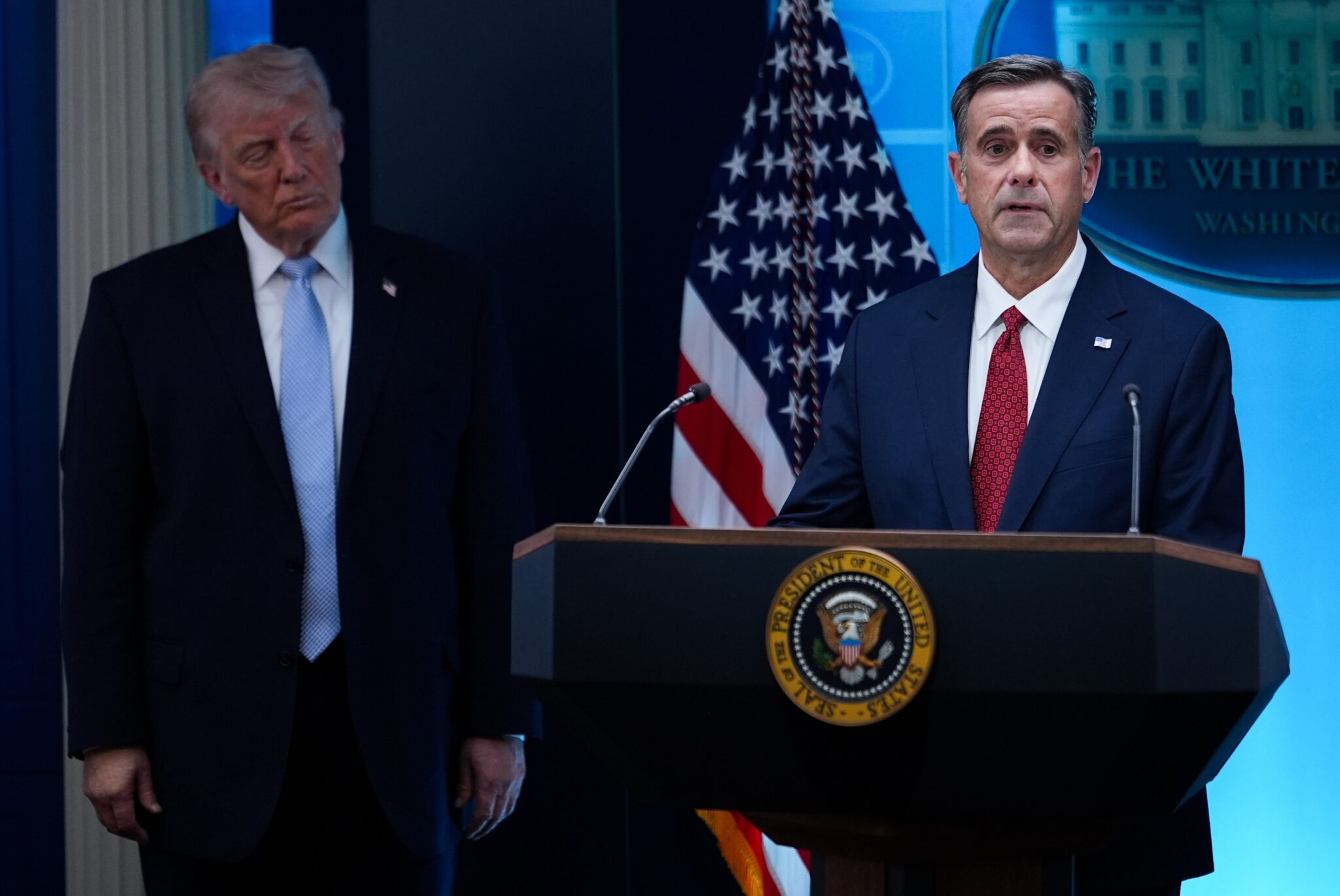
CIA Director Ratcliffe Meets Raúl Castro’s Grandson in Havana/ Newslooks/ WASHINGTON/ J. Mansour/ Morning Edition/ CIA Director John Ratcliffe met senior Cuban officials in Havana during a rare high-level visit between the longtime adversaries. The talks focused on security, intelligence cooperation and economic issues as tensions remain high between Washington and Havana. The meetings mark one of the most significant direct US-Cuba engagements since President Donald Trump returned to office.
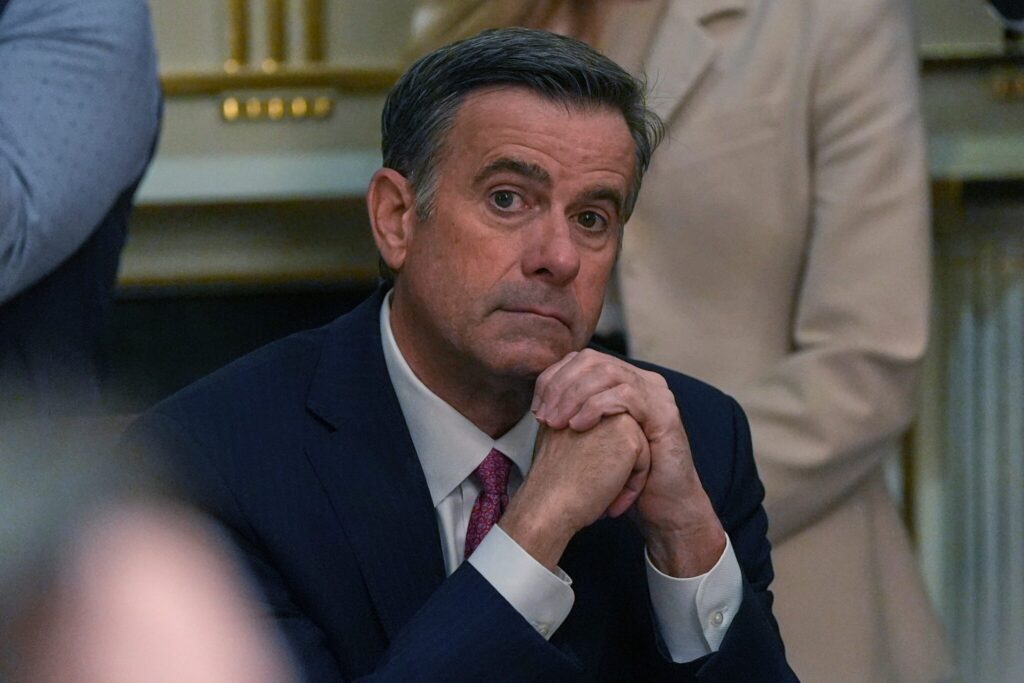
CIA Cuba Talks Quick Looks
- CIA Director John Ratcliffe traveled to Havana
- Ratcliffe met Raul Castro’s grandson and Cuban intelligence leaders
- Talks focused on security and economic cooperation
- US says Cuba must make “fundamental changes”
- Cuba rejected claims it threatens US national security
- Havana criticized continued US terrorism designation
- US humanitarian aid and energy tensions remain major issues
- Meetings mark rare direct engagement between both governments
Deep Look
CIA Director John Ratcliffe Holds High-Level Talks in Cuba
CIA Director John Ratcliffe met with senior Cuban officials Thursday during a rare and highly sensitive visit to Havana that underscored renewed diplomatic contact between the United States and Cuba.
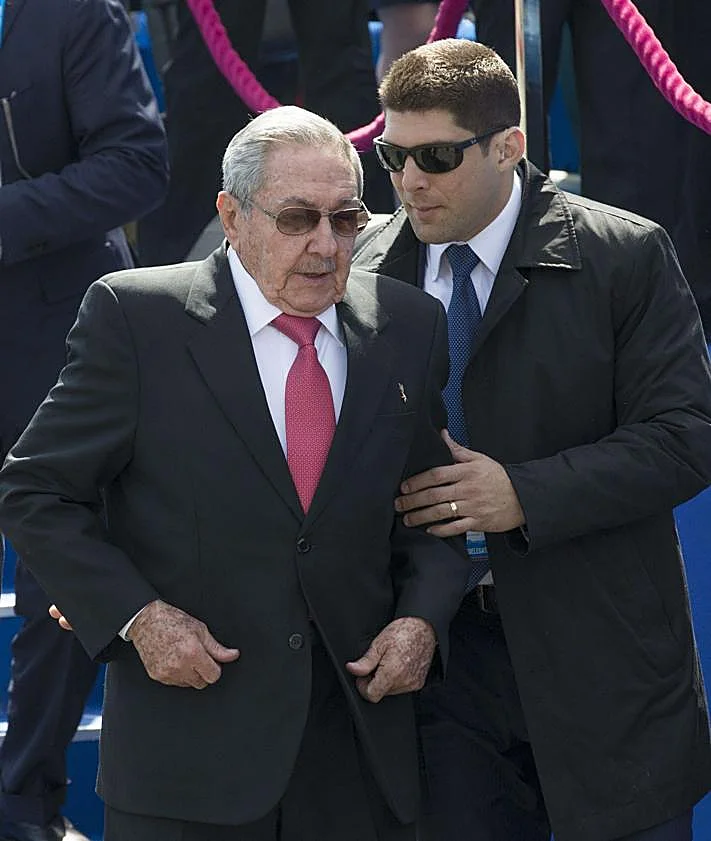
According to US and Cuban officials, Ratcliffe held meetings with Raúl Guillermo Rodríguez Castro — the grandson of former Cuban leader Raúl Castro — along with Interior Minister Lázaro Álvarez Casas and the head of Cuban intelligence services.
The discussions reportedly focused on intelligence cooperation, regional security concerns, economic instability and broader bilateral relations.
A CIA official confirmed the meetings to The Associated Press and said Ratcliffe delivered a direct message from President Donald Trump.
“President Donald Trump’s message that the United States is prepared to seriously engage on economic and security issues, but only if Cuba makes fundamental changes,” the CIA official said.
Rare Diplomatic Engagement Between Longtime Rivals
The visit represents one of the highest-profile direct engagements between Washington and Havana in years.
The Cuban government acknowledged the meetings in an official statement, noting they occurred “against a backdrop of complex bilateral relations.”
Relations between the two countries remain strained over sanctions, migration, energy shortages and longstanding geopolitical disputes.
The United States continues accusing Cuba of harboring adversarial governments and intelligence operations in the Western Hemisphere.
US officials stressed during the talks that Cuba cannot remain a “safe haven for adversaries in the Western Hemisphere.”
Cuba Pushes Back Against US Accusations
Cuban officials rejected claims that the island threatens American national security.
Representatives from Havana also criticized Washington’s continued designation of Cuba as a state sponsor of terrorism.
The terrorism designation has severely restricted Cuba’s access to international financing and intensified economic difficulties already worsened by energy shortages and sanctions.
Cuba’s government argues that the designation unfairly damages the country’s economy and contributes to humanitarian hardship.
Raul Castro’s Grandson Emerges in Key Role
One of the most notable participants in the meetings was Raúl Guillermo Rodríguez Castro, the grandson of former Cuban leader Raúl Castro.
Although Rodríguez Castro does not officially hold a government position, he previously served as his grandfather’s bodyguard and later led Cuba’s equivalent of the Secret Service.
His involvement highlights the continued influence of the Castro family within Cuba’s political and security establishment despite generational leadership changes.
Reports indicate Rodríguez Castro also quietly met Secretary of State Marco Rubio earlier this year during a Caribbean summit in St. Kitts.
Energy Crisis and Economic Collapse Drive Urgency
The talks come as Cuba faces one of its worst economic crises in decades.
The island has struggled with widespread blackouts, fuel shortages and collapsing infrastructure.
Cuba’s power grid has repeatedly failed in recent months, particularly affecting eastern provinces where energy access remains unstable.
US sanctions and fuel restrictions have further intensified the crisis, contributing to reduced work schedules, food spoilage and worsening living conditions.
The Trump administration has expanded pressure on Cuba by threatening tariffs against countries supplying oil to the island.
US Offers Humanitarian Assistance
Despite the tensions, the US State Department recently reiterated plans to provide Cuba with $100 million in humanitarian assistance and satellite internet support if Havana permits access.
The proposal reflects a complicated US strategy combining pressure campaigns with selective humanitarian outreach.
Officials say the aid package is designed to support Cuban citizens while still maintaining leverage over the government.
First Significant US Government Flights Since 2016
The ongoing discussions have also resulted in unusual direct travel between the two countries.
Officials noted that recent meetings involved some of the first US government flights to land in Cuba outside Guantanamo Bay since 2016.
The renewed contact suggests both sides are quietly exploring limited cooperation despite persistent public hostility.
Trump Administration Balances Pressure and Engagement
While President Trump has previously threatened aggressive action against Cuba, including possible intervention, officials say immediate military action is not under active consideration.
Cuban President Miguel Díaz-Canel recently warned that Cuba would resist any foreign intervention attempt.
Still, intelligence and diplomatic engagement appears to be continuing behind the scenes as both governments navigate issues involving migration, energy, organized crime and regional stability.
The Ratcliffe visit signals that despite years of confrontation, Washington and Havana continue maintaining discreet communication channels at the highest levels.